 Bob Rahm |
September 26, 2026
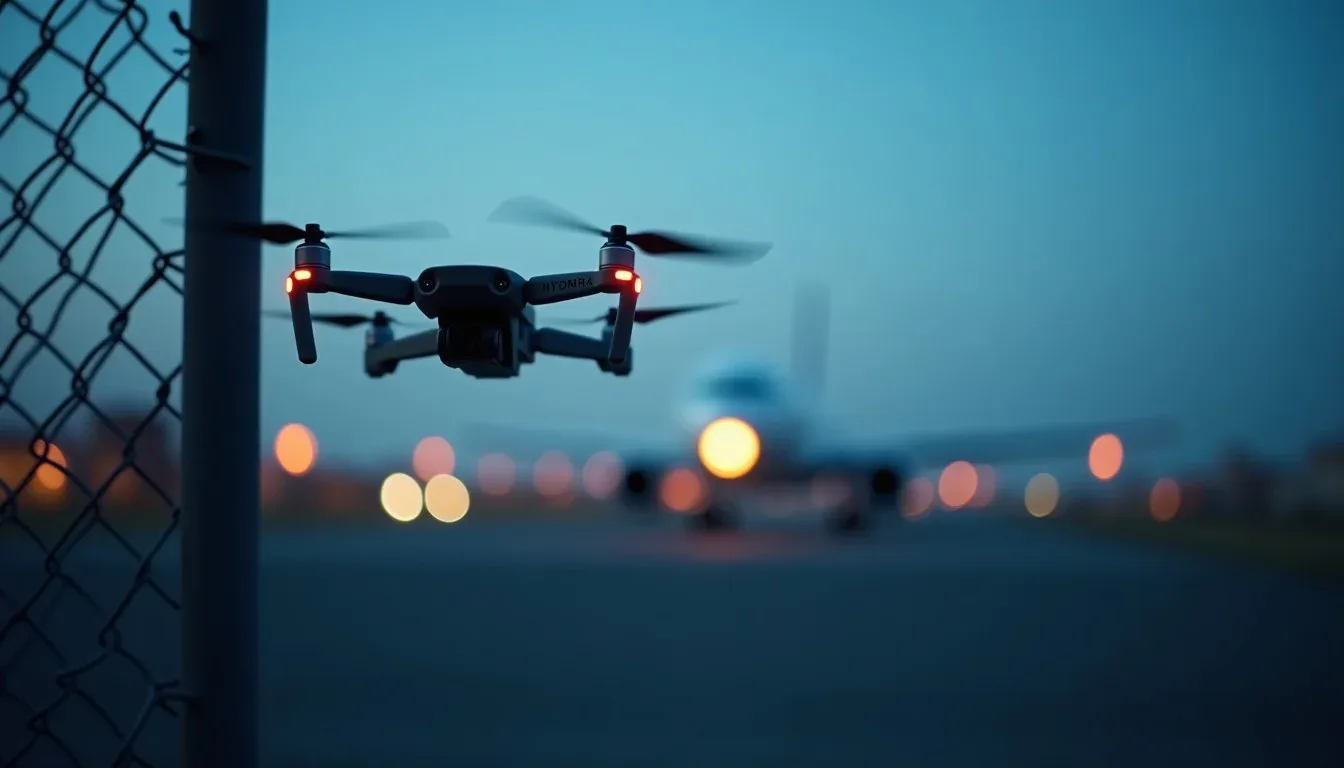
The Overlook is a park. It is also between two live runways.
On Tuesday, September 22, 2026, Marco Antonio Ochoa, 50, of Charlotte, pleaded guilty in the Western District of North Carolina to one count of unsafe operation of an unmanned aircraft. The U.S. Attorney’s Office said he launched a drone in March 2026 from Charlotte Douglas International Airport’s public Airport Overlook without authorization, inside a runway exclusion zone. The Overlook sits between two active runways.
That geometry is the story. A fence and a parking lot do not move the airport. They do not shrink Class B. They do not create a recreational carve-out for a phone video.
U.S. Attorney Russ Ferguson said operators need to know the restrictions and permit requirements before they launch, and that restricted airspace can put a pilot in front of federal prosecutors. FBI Charlotte Special Agent in Charge Reid Davis said the Bureau will keep investigating unlawful drone flights and that operators should check airspace and safety rules before each flight. The FBI and the Federal Air Marshal Service ran the case.
Ochoa faces a maximum of one year in prison, a $100,000 fine, and up to one year of supervised release. No sentencing date has been set. Public reporting has not named a specific statute section in the plea. This article does not invent one.
What the Overlook does not give you
CLT is a Class B primary airport. Part 107 still requires airspace authorization before a small UAS enters controlled airspace, and it still bars operation that interferes with a manned aircraft or that treats a runway environment as a scenic backdrop.
The Overlook is built so the public can watch arrivals and departures. That design choice is why the park is a trap. The view that sells a clip is the same view that puts the aircraft in the arrival corridor. A public park label does not appear in the authorization stack. B4UFLY, LAANC, and the facility map still control.
A Part 107 certificate does not change the geography. It raises the duty. A remote pilot who launches from that lot without a written authorization is not making a close call. The Western District has now shown what the close call becomes after the plea.
What this case does not prove
It does not prove the pilot held, or lacked, a remote pilot certificate. The charging language released to the press is the unsafe-operation count, not a Part 107 certificate-revocation docket.
It does not prove the flight was a paid client job. Some secondary coverage implied a video assignment. The DOJ facts repeated by AVweb and Queen City News do not say that. Treat the flight as an unauthorized launch from the Overlook until a court filing says more.
It does not rewrite LAANC. It does not create a new TFR. It does not change the 400-foot rule. It is a criminal case about a launch point that looks harmless on a Saturday and is still inside the airport.
What a Part 107 shop should change this week
- Put named airport overlooks and spotting lots on the same no-launch list as the movement area. If the park is between runways, it is not a workaround.
- Do not accept a view of arriving aircraft as a site survey. If the product is an arrival shot, the product is inside the exclusion problem.
- Check B4UFLY and the facility map on site, not from the office. Class B shelves move with altitude. The Overlook is not an open field outside the surface area just because you parked on public pavement.
- If the customer wants airport-adjacent video, write the authorization path into the bid: LAANC or a manual facility authorization, plus any airport or city permit. If that path does not exist, decline the shot.
- Keep the DCA package next to this one. Two Class B airports in eight days. One was an overflight of a runway. This one was a public park. The common error is treating proximity as permission.
- Brief crews that FBI and Federal Air Marshal Service now show up in airport-drone cases, not only FAA inspectors. The penalty stack on this plea is criminal.
The useful sentence for a contractor is short. If you can read a tail number from the picnic table, you are too close to launch.
Sources: U.S. Attorney Office WDNC; AVweb Sept. 24, 2026; Queen City News Sept. 22, 2026; FAA Part 107.