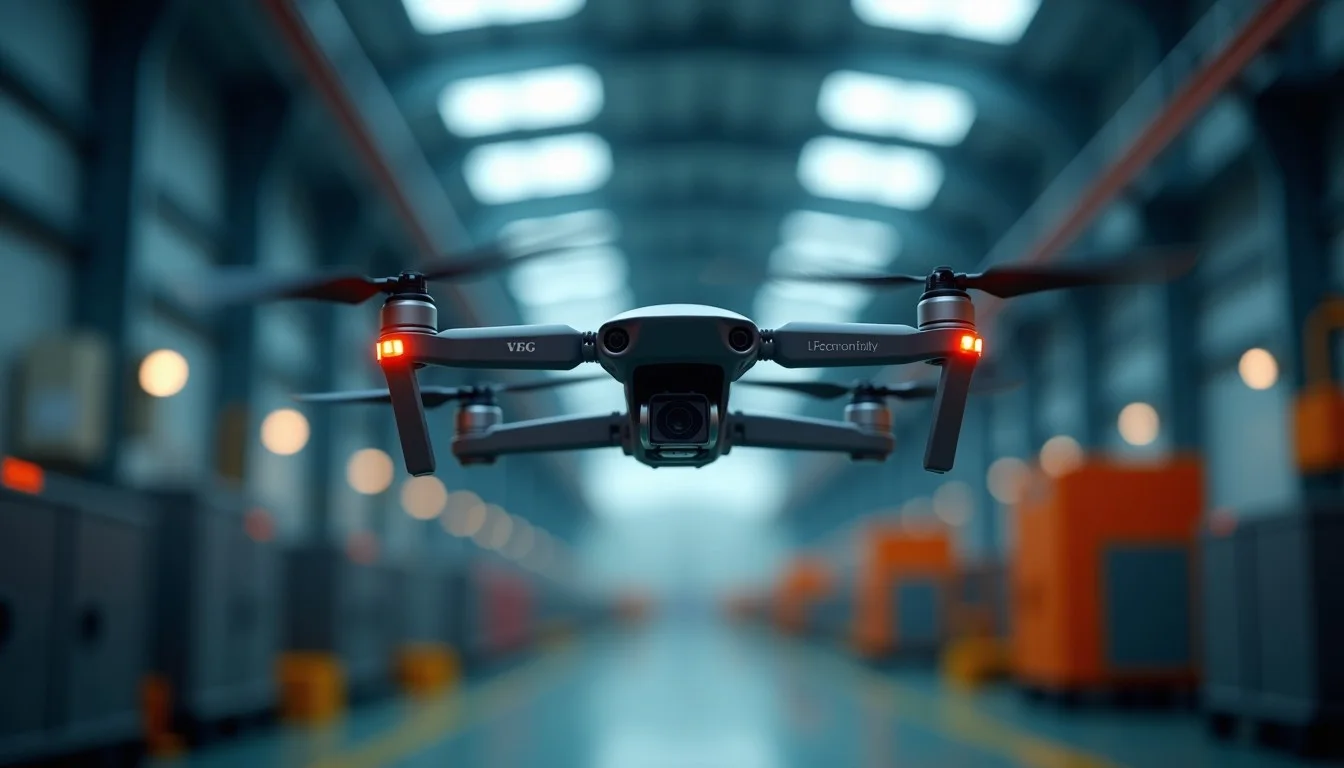
The Federal Aviation Administration has moved forward on a long-anticipated rulemaking that could introduce new, facility-specific drone flight restrictions around critical infrastructure sites across the United States. Published as a Notice of Proposed Rulemaking in May 2026, the proposal under a new 14 CFR Part 74 would establish a process for owners and operators of fixed-site critical infrastructure to apply for Unmanned Aircraft Flight Restricted Areas, or UAFRs. This development stems from Section 2209 of the FAA Extension, Safety, and Security Act of 2016, which directed the FAA to create a mechanism for restricting unmanned aircraft operations near certain sensitive facilities while balancing the safe integration of drones into the National Airspace System. An accompanying Executive Order has added momentum around airspace sovereignty and security considerations. What the Proposal Would Do Under the draft rules, proprietors of eligible fixed-site (permanent, non-mobile) facilities in designated critical infrastructure sectors could petition the FAA for a UAFR. These would define specific airspace volumes where drone operations are restricted or prohibited, subject to narrow exceptions and transit provisions. UAFRs would function as informational and enforceable restrictions—similar in effect to certain TFRs or NOTAM-driven limitations—carrying civil penalties, potential certificate actions, and in some cases criminal exposure under existing statutes for violations. Eligibility centers on 16 critical infrastructure sectors drawn from established statutory definitions (42 U.S.C. § 5195c(e) and related national security memoranda). These include Energy (power plants, refineries), Water and Wastewater Systems, Chemical facilities handling threshold quantities of dangerous substances, Dams, Nuclear Reactor/Materials/Waste sites, Critical Manufacturing, Transportation Systems (certain rail/pipeline hubs), Healthcare and Public Health (e.g., major trauma centers), and others such as Communications, IT, Financial Services, and Defense Industrial Base facilities. Sectors like Food and Agriculture and some Water/Wastewater elements are noted as reserved for further definition. Applicants would need to demonstrate: a qualifying fixed-site facility with vulnerable critical assets; existing physical security measures (examples cited include restricted access controls and security monitoring capabilities, potentially encompassing Remote ID observation); and that disruption could produce debilitating effects on regional or national security, public health/safety, or economic stability. The FAA would evaluate safety and security justifications, impacts on other airspace users (including economic costs of rerouting), and compliance with environmental review requirements under NEPA. Key Provisions Affecting Part 107 and Commercial Operators A central element for certificated pilots is how UAFRs would interact with legitimate operations. According to detailed reviews of the proposal, Standard UAFRs would generally restrict drone flights but include provisions allowing certain commercial operations—including those under Part 107—to transit the restricted airspace. Conditions typically include broadcasting a compliant Remote ID signal per Part 89, traversing in the shortest practicable time, and providing required notification to the facility operator. Recreational operations under 49 U.S.C. § 44809 are not included in the same transit relief under the current proposal text. Facility owners themselves would generally retain the ability to conduct their own compliant drone operations within an approved UAFR. Violations could trigger FAA enforcement, including civil penalties, suspension or revocation of Part 107 certificates, and referral for criminal prosecution in egregious cases. The FAA has emphasized that UAFRs would not authorize physical interference (such as jamming or kinetic countermeasures) by private parties; any such actions would require separate lawful authority. Why This Matters Now The proposal arrives amid growing attention to drone-related security incidents and near-misses. FAA data released in early July 2026 showed reported drone sightings near U.S. airports nearly doubling in Q2 2026 (601 reports versus 320 in Q1), with specific close encounters documented at major Northeast airports including a reported possible strike on approach to JFK. Heightened vigilance around large public events, including the FIFA World Cup matches (with reports of over 300 drone seizures at venues since mid-June 2026), has underscored vulnerabilities in low-altitude airspace around sensitive locations. Proponents argue that a structured, FAA-vetted process for facility-specific restrictions provides clearer rules than ad-hoc measures, while still allowing the FAA to weigh broader airspace integration goals, economic impacts on commercial drone users, and environmental considerations. Practical Takeaways for Part 107 Pilots and Businesses While the rule remains proposed—not final—Part 107 operators, especially those conducting infrastructure inspections, utility surveys, construction support, or delivery routes near industrial, energy, water, chemical, or transportation hubs, should monitor developments closely. Pre-flight diligence: Expect potential new UAFRs to appear in NOTAMs, authorization apps, and planning tools. Continue rigorous use of LAANC, B4UFLY, and Remote ID compliance; these capabilities are likely to be central to any approved transit or access provisions. Business planning: Factor possible coordination requirements or route adjustments into proposals for work near qualifying facilities. Document compliance practices thoroughly. Advocacy opportunity: The comment period has been extended to August 5, 2026. Stakeholders can submit input via the Federal Register docket (referenced in extension notices). Areas likely to draw attention include refining transit procedures for inspection and survey flights, ensuring notification processes are practical for small operators, quantifying economic impacts, and clarifying eligibility or environmental review interactions. Compliance edge: Pilots and companies demonstrating strong Remote ID adoption, airspace awareness, and professional documentation will be better positioned regardless of final rule details. The FAA has invited comment on numerous aspects, including additional categories of operations that should be permitted within UAFRs and the overall economic effects if commercial transit is limited. Looking Ahead This rulemaking represents one piece of a broader evolution in U.S. drone policy—alongside ongoing BVLOS integration efforts, Remote ID enforcement, and counter-UAS authorities. For the professional drone community, it highlights the dual imperatives of security and safe commercial integration. Pilots who treat regulatory awareness as core to their Part 107 responsibilities will navigate these changes most effectively. Stay tuned to official FAA UAS channels and industry resources for updates as comments are reviewed and any final rule emerges. For infrastructure-focused operators, early engagement with the proposal could help shape practical outcomes that support both security objectives and legitimate drone operations. Sources & Further Reading:
- Analysis of FAA NPRM and June 2026 extension: BDLaw publication
- FAA UAS Sightings Data: Official FAA report page
- Related FAA UAS resources and Part 107 information on faa.gov/uas This article is provided for informational purposes and does not constitute legal advice. Consult qualified counsel or the FAA directly for specific operational or compliance questions. The proposal remains subject to change during the rulemaking process.