 Robert Rahm |
October 1, 2026
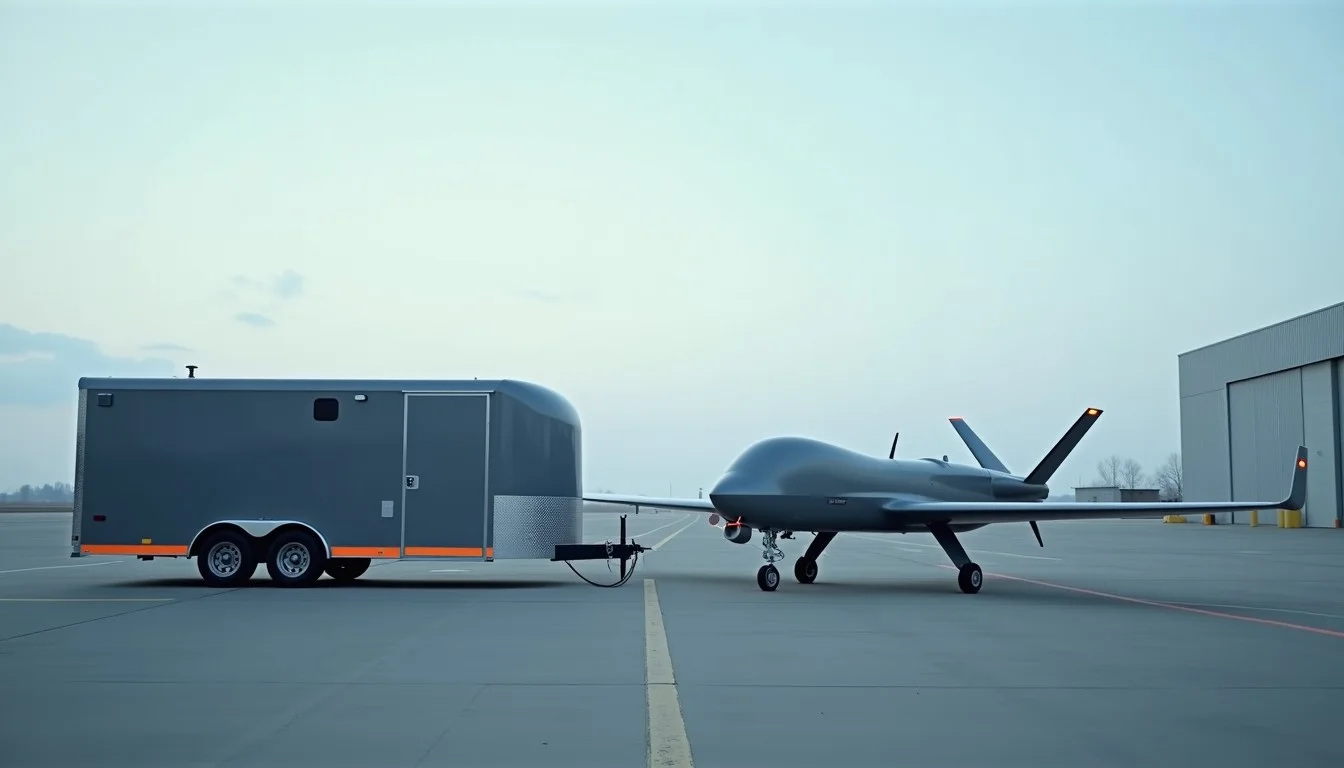
The FAA’s designated administrator for the western test ranges has had its certificate-of-authorization flights on pause since September 11. On October 1, two Oregon senators put a date on the silence.
Ron Wyden and Jeff Merkley wrote FAA Administrator Bryan Bedford and Catherine F. Cahill, director of the Alaska Center for Unmanned Aircraft Systems Integration at the University of Alaska Fairbanks. Their offices say all flight operations at the Pendleton UAS Range, Northwest UAV in McMinnville, and the Tillamook UAS Test Range have been paused since September 11, 2026, because of concerns at the Fairbanks test site. The letter says UAF is the FAA’s designated administrator for those ranges through the Pan-Pacific UAS Test Range Complex, and that UAF’s safety pause on flights conducted under its certificates of authorization hits the three Oregon sites and their partners.
The senators do not fight the pause. They call it necessary, tied to FAA concerns about safety practices, oversight, and documentation. They also say it has stopped testing for aerospace and defense contractors, federal customers, and commercial UAS companies at those three fields, and that it has disrupted flight activity at the other sites operating under Fairbanks. They want a timeline for when the reviews finish and operations resume. The letter asks for an answer by October 7.
The local number they used is specific. The Pendleton range, they wrote, generates roughly $2.4 million a year for Eastern Oregon Regional Airport, about 82 percent of that airport’s revenue. Treat that as the senators’ figure, not an FAA audit. It is enough to explain why a three-week COA hold is not a paperwork story in Pendleton.
A Part 107 pilot reading the letter needs the boundary, not the politics.
A certificate of authorization is the test site’s permission to fly a described profile, often above the Part 107 ceiling and outside visual line of sight, under the administrator that holds the COA. Northwest UAV’s own range page, which is marketing and not a status board, describes the McMinnville FAST range as an FAA authorization through the University of Alaska Fairbanks, with flights to 5,000 feet inside a five-nautical-mile radius, staffed by Part 107 pilots. That envelope is what the letter says is paused. The page does not override the letter. If your tasking was “fly the range COA,” you do not have a launch.
Part 107 is a different document. Nothing in the October 1 letter suspends remote-pilot certificates, voids a LAANC approval, or grounds small UAS that were never on the Fairbanks COA. A roof survey in Salem, a mapping flight in the Willamette Valley under 400 feet AGL, or a public-safety call you already hold a waiver for is not this pause. Confirm airspace, Remote ID, and TFRs the way you did on September 10.
The trap is the substitute mission. A customer who lost a range slot this month will ask a local pilot to “just go do the test.” If the test was built to leave the Part 107 box — above 400 feet, beyond the pilot’s eyes, at night without a waiver, over people without the right category — the certificate does not inherit the COA. Flying it anyway is an ordinary Part 107 violation with a Senate letter in the background, not a favor to the range. The FAA’s concern in this pause, as the senators describe it, is safety practices, oversight, and documentation. An undocumented stand-in flight is the wrong answer to that concern.
There is still work on the near side of the line. Contractors who were waiting on a range day for a profile that already fits Part 107 — visual line of sight, under 400 feet, clear of people, Remote ID on — can move that work to a certificated pilot without waiting on October 7. Say so in the quote. Name the limits. Do not price a 5,000-foot COA run as a 107 job because the range is dark.
The letter also says the pause reached “all other test sites that operate under” Fairbanks, not only the three Oregon names. ACUASI’s public range page lists Pendleton, Tillamook, and the Warm Springs Reservation as Oregon partners, and it does not mention the September 11 hold. Use the letter for status. Use the range page for geography. If you are on a Pan-Pacific schedule in Alaska, Hawaii, or another Oregon field and nobody has told you the COA is back, ask the range manager before you ship a crew.
October 7 is the next public checkpoint, not a restart. Bedford and Cahill may answer with a date, a partial release, or another hold. Until a written release names your site and your COA, the September 11 pause is the operating fact.